
Sep 28, 2026
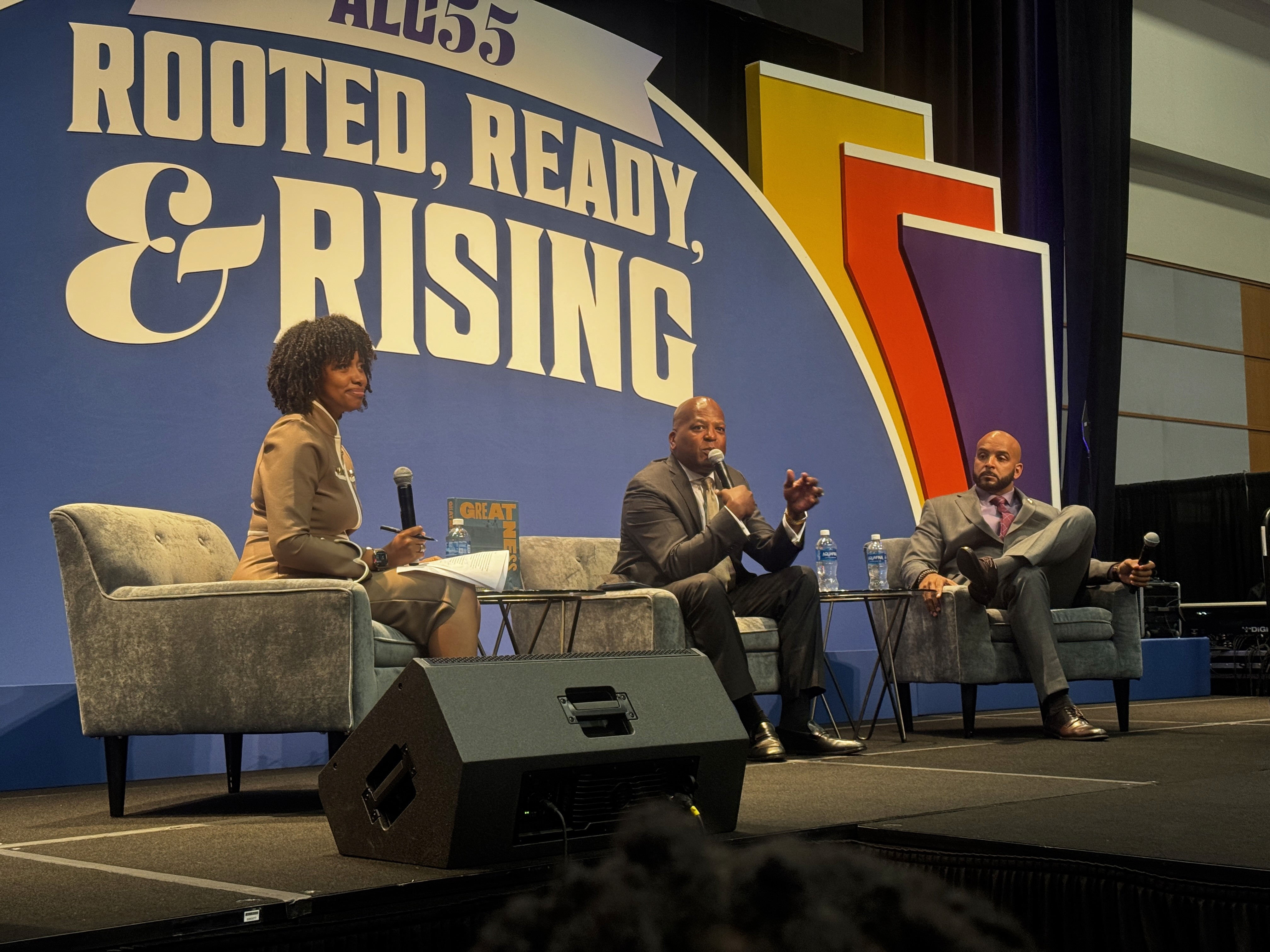
Excited to share my time during Congressional Black Caucus Week, where conversations about billion-dollar projects, political leadership, emerging technology, media, policy, and the future of our cities reinforced something I believe deeply: the built environment profession must be present in the rooms where decisions about our communities are being made.
For years, my advocacy has focused on expanding representation within architecture and design, ensuring that diverse professionals are seen, elevated, documented, and celebrated. But representation must also translate into access, opportunity, influence, and power.
CBC Week allowed me to explore what that looks like in practice. Not simply advocating for a seat at the table, but offering the expertise of architects and designers as thought partners to the leaders shaping policy, directing investment, building cities, adopting new technologies, and determining what comes next.
Because the built environment is ultimately the physical manifestation of many of the decisions being made in rooms that architects have historically not occupied.
This week, I was intentional about being in those rooms.
Building America
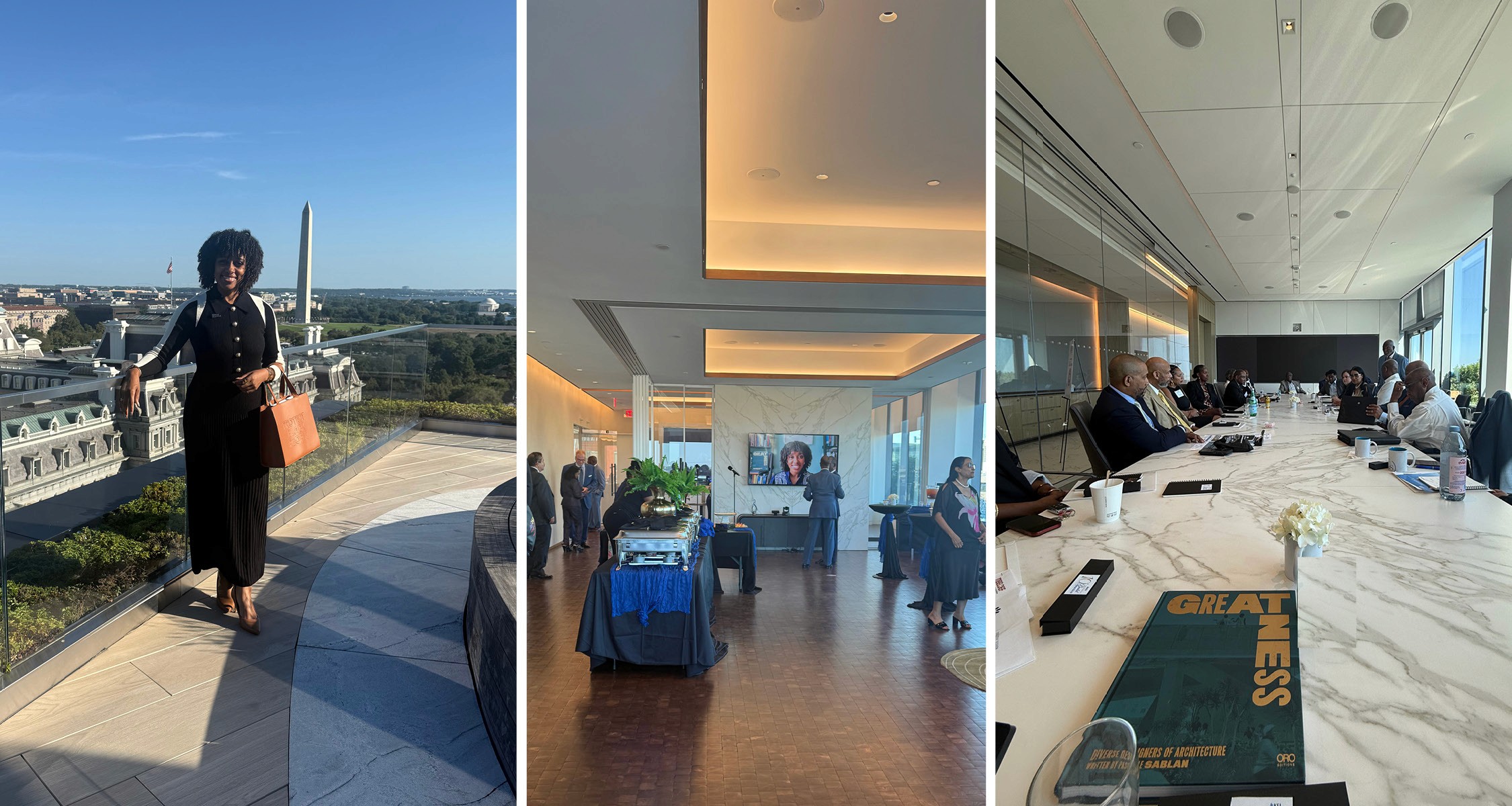
Hosted by Carl Evans and Everetta Edwards Evans of KEI Marketing & Consulting LLC, the Build America Series began with an Executive Session of approximately 20 Black CEOs, partners, and principals who hold contracts on some of the nation’s largest projects.
I was in awe of the table.
We were discussing billion-dollar contracts, major projects, and opportunities shaping the future of our country. But what excited me most was not simply having access to the conversation. It was thinking about how that access could be extended.
Through The Third Office, I was able to offer collaboration and begin connecting these opportunities to my network of architects, designers, consultants, and leaders. For me, that is an evolution of advocacy. Visibility matters, but so does ensuring diverse professionals have access to the relationships, partnerships, and opportunities that allow them to participate at the highest levels.
The conversation then shifted in a powerful way when a high school student shared her experience with AI and learning and challenged us, as industry leaders, to consider what we are doing to protect and prepare the next generation. Hearing that question from the generation that will inherit the consequences of the decisions being made today brought an entirely different level of responsibility to the room.
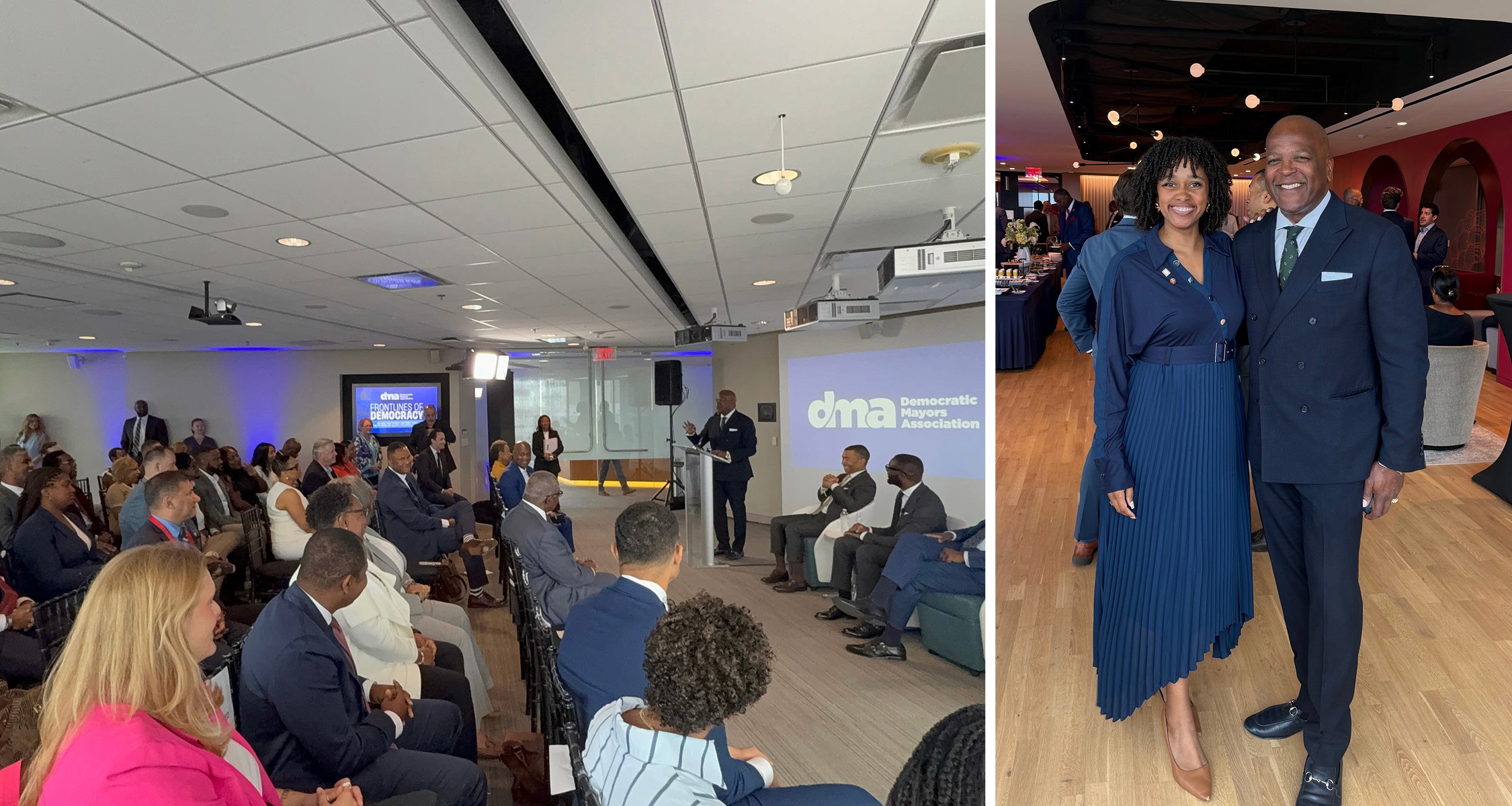
The day concluded with a Rooftop Reception honoring Congressman Hank Johnson, where I connected with approximately 60 leaders from across the country while my video, alongside others advancing the mission, played in the background.
I left thinking about the responsibility that comes with access.
It is not enough for me to get into the room. My work is to make the room more accessible to others.
That is the power I want The Third Office, and my advocacy, to continue building.
Who Builds the City?
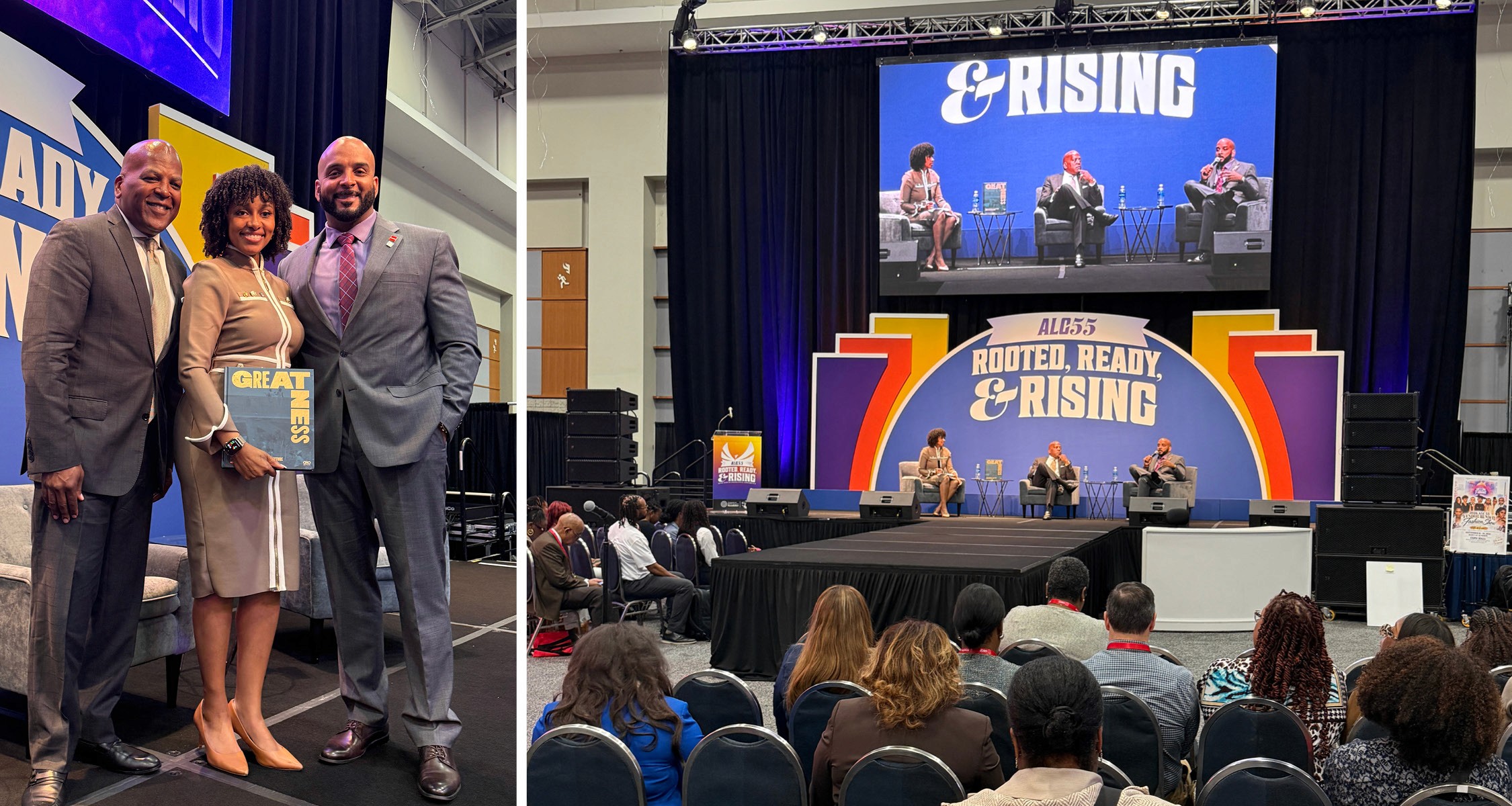
Mayor Benjamin served three terms as Mayor of Columbia, South Carolina, becoming the city's first African American mayor, before serving President Joe Biden as Senior Advisor to the President and Director of the White House Office of Public Engagement. He also led both the U.S. Conference of Mayors and the African American Mayors Association.
Jason is both an architect and certified planner, a Principal and Global Director of Inclusion at Gensler, and a Past President of the National Organization of Minority Architects. His work spans community-based master planning, public transit, mixed-use development, housing, and complex projects where design and planning directly intersect with the needs of communities.
Bringing the three of us together was intentional.
Mayors are charged with advancing agendas around economic development, housing, infrastructure, public health, climate resilience, education, culture, and quality of life. Architects and planners ultimately help give physical form to so many of those ambitions.
Yet we do not always meet early enough.
That was the conversation I wanted us to have on the CBC Main Stage: What becomes possible when elected officials and civic leaders begin to see architects, planners, and the broader built-environment profession not simply as people who execute projects, but as strategic partners in advancing their agendas?
Mayor Benjamin could speak from the experience of leading a city and then working at the highest levels of federal government. Jason could speak as someone operating simultaneously across architecture, planning, community development, and global design practice. And I could bring my own experience across architecture, executive leadership, advocacy, and now strategic advisory.
Those perspectives allowed us to talk about the distance between policy and place, and the tremendous opportunity that exists when we close that gap.
Because a housing agenda eventually needs housing.
A commitment to public health is affected by the neighborhoods, buildings, parks, transportation systems, and resources people can access.
Economic development takes physical form.
Climate resilience has to be designed and implemented.
Culture needs places where it can be protected, expressed, and celebrated.
And quality of life is experienced, every single day, through the environments we create.
For years, my advocacy has focused on ensuring that diverse architects and designers are seen, elevated, documented, and celebrated. But visibility was never the final destination. Greater representation must also mean greater access to opportunity, influence, and the decisions that shape our communities.
Sharing the CBC Main Stage with Mayor Benjamin and Jason allowed us to push that conversation beyond the architecture profession and into a room of leaders helping shape policy and opportunity across the country.
We should not only be asking who designs the city. We should be expanding who has the opportunity to help imagine, influence, and build its future.
That is why Who Builds the City? mattered to me.
Architecture on the Airwaves
One of the things I valued most about CBC Week was the opportunity to take conversations about architecture and the built environment beyond the spaces where we traditionally have them.
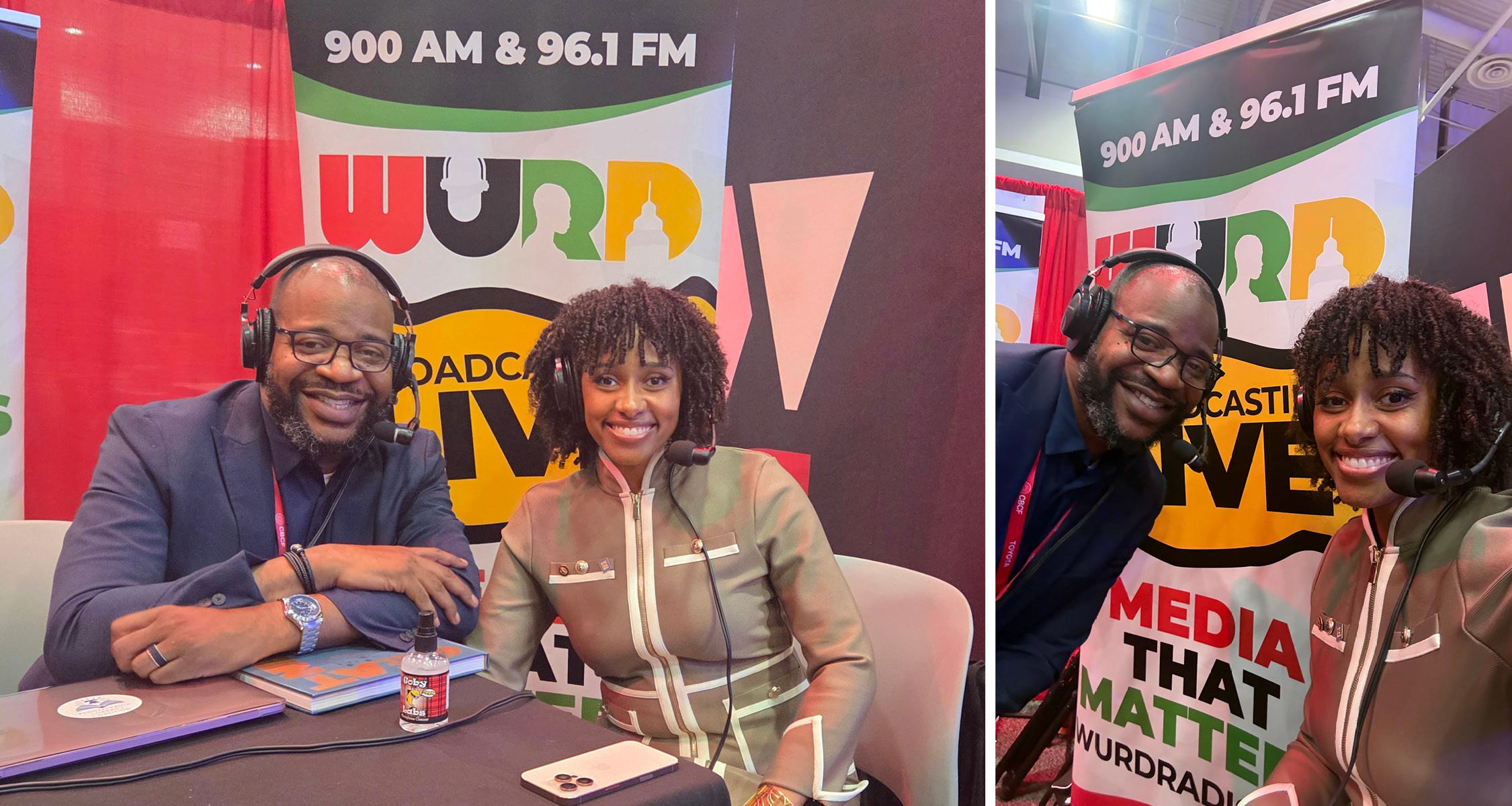
WURD Radio, a Philadelphia-based Black-owned talk radio station, was broadcasting live from Media Row at the Congressional Black Caucus Annual Legislative Conference, and I had the opportunity to sit down with Dr. James Peterson for a live conversation.
That mattered to me.
So much of my advocacy has been about challenging the boundaries of our profession. Architecture shapes nearly every aspect of our lives, from where we live and learn to how we work, heal, gather, move, and build community, yet conversations about who shapes those spaces and who has access to those opportunities can remain surprisingly insular.
WURD gave me an opportunity to have that conversation with a broader audience.
Dr. Peterson and I talked about my journey, the work of Beyond the Built Environment, GREATNESS: Diverse Designers of Architecture, and the importance of increasing the visibility and influence of diverse architects and designers.
Because representation cannot only happen inside architecture.
Our stories need to exist in the media our communities consume. Our expertise needs to be part of broader conversations about culture, policy, development, economics, and opportunity. And the public should know the names, work, and impact of the people helping shape the environments around them.
That is another dimension of SAY IT LOUD.
Not simply making sure we are in the profession, but making sure the world knows we are here.
Listen to my conversation with Dr. James Peterson on WURD Radio here:
https://soundcloud.com/onwurd/pascale-sablan-congressional
Frontlines of Democracy
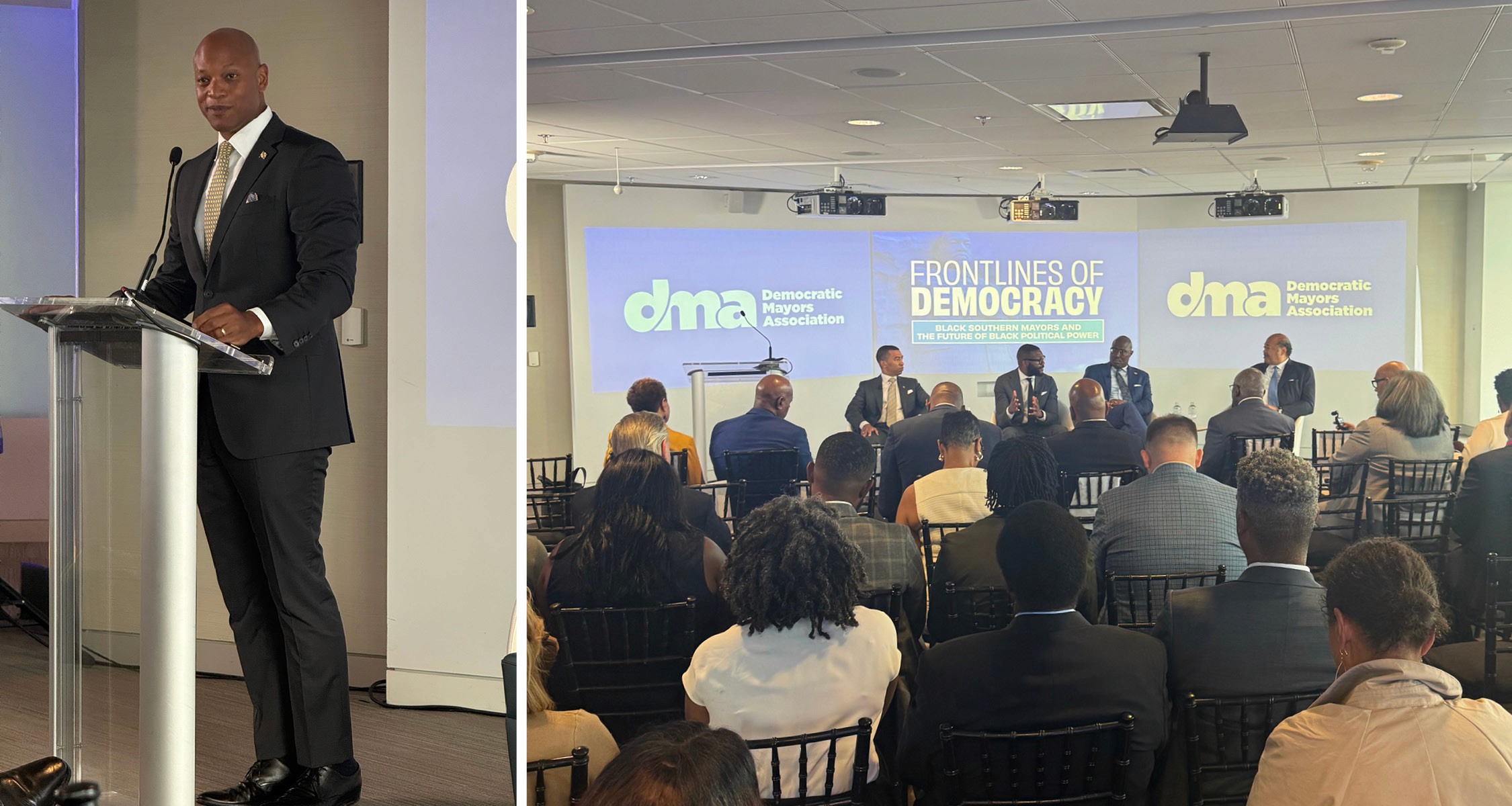
At the Democratic Mayors Association's Frontlines of Democracy: Black Southern Mayors and the Future of Black Political Power, hosted at the Microsoft Innovation and Policy Center Tech Lab, I found myself continuing many of the conversations we had begun on the CBC Main Stage, this time surrounded by leaders responsible for translating policy into the daily realities of cities across the country.
The gathering was supported by the Southern Poverty Law Center and SPLC Action Fund, with Ryan Haygood, President and CEO, opening the program before remarks from Maryland Governor Wes Moore, who is currently the only Black governor serving in the United States. That distinction is both historic and a reminder that representation at this level remains extraordinarily limited, with an opportunity during the midterm elections for the composition of gubernatorial leadership across the country to become more diverse.
The conversation that followed with Birmingham Mayor Randall Woodfin, Little Rock Mayor Frank Scott, and Montgomery Mayor Steven L. Reed moved through history, legacy, democracy, political power, leadership, and even the rapidly expanding presence of data centers in our communities.
Mayor Scott offered a statement that stayed with me:
“Silence is a decision.”
I thought about that through the lens of my own profession.
If architects, planners, designers, engineers, and other built-environment professionals understand how policy becomes physical, then remaining outside of policy conversations is also a decision.
Throughout the gathering, I spoke with city leaders and extended an offering I believe our profession should be making much more intentionally: allow us to be your thought partners and strategic analysts.
When a mayor establishes a housing policy, economic development strategy, climate commitment, infrastructure priority, or vision for community investment, those decisions eventually manifest in the built environment. We can help leaders understand those implications before they become concrete, steel, streets, neighborhoods, and buildings.
The conversation around data centers made that responsibility especially tangible. As cities navigate their rapid growth, built-environment professionals can contribute expertise around land use, infrastructure, energy, water, environmental impact, design, and construction, helping leaders consider how these facilities can be regulated and developed in ways that protect both human life and the natural environment.
This is where I see another evolution of my advocacy: not simply asking civic leaders to make room for architects, but demonstrating why our expertise belongs in the room and offering it in service of people, communities, and the planet.
The Power of Being in the Room
Congressional Black Caucus Week gave me the opportunity to carry architecture into rooms where design was not always the starting point, but where decisions were being made that will ultimately shape the built environment for generations.
That is important to me.
For years, my advocacy has focused on increasing the visibility and representation of diverse architects and designers. SAY IT LOUD asks us to see them. GREATNESS documents them. My leadership has worked to expand the pathways available to them.
But representation also has to lead to access, opportunity, influence, and power.
It means ensuring our expertise is present when billion-dollar opportunities are being discussed. It means connecting architects with civic leaders who are translating policy into place. It means bringing our voices to platforms outside of our profession. And it means using the relationships and access we earn to create pathways for others.
CBC Week reminded me that there is tremendous opportunity for the built environment profession to contribute to conversations far beyond the boundaries of architecture.
We belong in those rooms. And when we gain access to them, we have a responsibility to bring others with us.
I intend to keep showing up, speaking up, building relationships, and creating pathways for our profession to contribute.
And there was joy woven throughout it all.
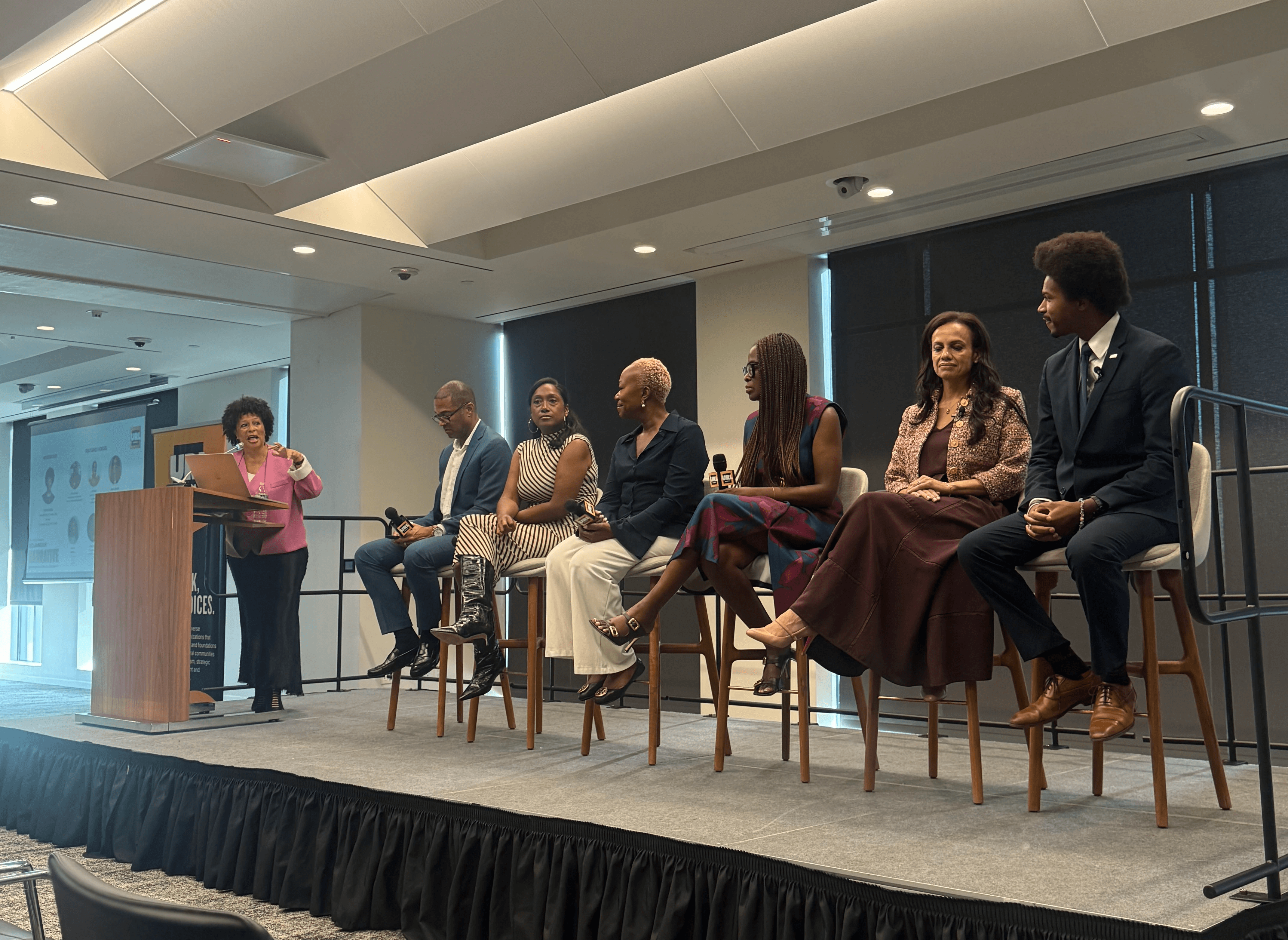
Whether I was doing the Electric Slide with Congresswoman Maxine Waters at her gala alongside my NOMA family, or sitting in the room for “Reclaiming Our Narrative: Independent Media and the Road to the Midterms,” hosted by URL Media with support from the National Community Reinvestment Coalition and the Washington Association of Black Journalists, I was reminded that these spaces are also about community, culture, connection, and the power of being together.
Moderated by Sara Lomax, President of URL Media and President and CEO of WURD Radio, the conversation brought together Alexis McGill Johnson, Don Lemon, Errin Haines, Joy Reid, Tennessee State Representative Justin Pearson, and Lauren Williams to examine the importance of independent and Black media in shaping and protecting our narratives.
Across all of these experiences, from serious conversations about policy and power to moments of laughter and celebration, I was reminded that showing up matters. Being in community matters. And there is power in experiencing both the work and the joy together.
If you're receiving this message, it's because you are part of my journey. Your support sustains me. I carry each of you into every room I enter, and I hope to continue making you proud.
#ExcitedToShare
#CongressionalBlackCaucus
#DesignLeadership
#PowerAndPurpose
#Architecture
#BuiltEnvironment
#BeyondTheBuiltEnvironment
#PowerOfThePodium
#TheThirdOffice
#Leadership